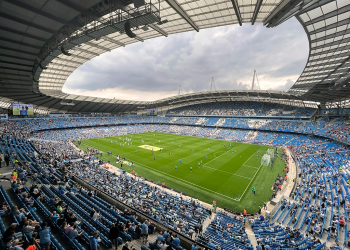
Oceania Rugby, the regional governing body for the sport across the Pacific, has cancelled the 2026 Oceania Rugby 7s Cup, the two-day tournament that was to be played at Rotorua International Stadium in New Zealand on Saturday 31 October and Sunday 1 November. General manager Frank Puletua said in a statement issued on Friday that the organisation could not secure the money needed to stage it, RNZ reported.
The decision lands roughly two weeks after Oceania Rugby and New Zealand Rugby confirmed the fixture and published the draws, with Fiji named in both the men’s and women’s programmes. It also removes the event that was to serve as Oceania’s qualification pathway into the World Rugby SVNS 3, the third tier of the global sevens series — and Oceania Rugby has not yet said what replaces it.
The cancellation by the numbers
These are the figures that are actually on the record, counted from the draws and schedule published by the New Zealand Herald:
- 3 competitions were to run side by side on one field: the men’s Oceania 7s Cup, the women’s Oceania 7s Cup and an International Women’s Invitational.
- 8 teams in the men’s Cup, 5 in the women’s Cup and 6 in the women’s invitational — 19 team entries in total.
- 12 separate national teams were involved once duplicates across competitions are removed, from Tuvalu and Niue to France and the United States.
- 5 member unions were chasing SVNS 3 places in the men’s competition, and 5 in the women’s.
- 3 finals were to be played back-to-back on the Sunday evening.
- 2 Olympic cycles were cited as the reason for the investment: Los Angeles 2028 and Brisbane 2032.
- 0 dollar figures have been published — for the budget, the shortfall, the ticket revenue or the loss to Rotorua.
Why it matters
For Fiji, the cancellation wipes out a block of pre-season international sevens against the best available opposition. The men were drawn against New Zealand and Australia, the two unions Fiji measures itself against on the world series. The Fijiana were placed in an invitational alongside New Zealand, Australia, France, Japan and the United States — a field of tier-one sides that is difficult to assemble in a single weekend, and difficult to replicate in a training camp.
The sharper loss falls on the smaller unions. Fiji was not chasing qualification at Rotorua; Samoa, Tonga, Tuvalu, the Cook Islands and Niue were, in the men’s competition, with Samoa, Tonga, the Cook Islands, Niue and the Solomon Islands making up the women’s qualifier field. For teams that rarely get a sanctioned pathway event on their own side of the world, this was not a warm-up. It was the door into the next tier of the global series, and it has closed with no replacement route published.
Oceania Rugby president Richard Sapias had framed the tournament as support for Pacific teams building toward the Los Angeles 2028 and Brisbane 2032 Olympics, the New Zealand Herald reported — an argument that cuts both ways now, because the unions that most needed the ranking points are the ones with the least capacity to fund a replacement fixture themselves.
New Zealand loses the only international sevens tournament it was due to host this year, and Rotorua loses a two-day event it had spent months preparing for. Whether that is a large commercial hit or a small one is unknown: none of the reporting from RNZ, the New Zealand Herald or Newstalk ZB attaches a dollar figure to the expected economic benefit, and no ticket sales volume has been disclosed. It was also one of the cheapest chances in years for the large Fijian community living in New Zealand to watch both national sevens sides in person, Rotorua being a domestic trip rather than an overseas one.
Oceania Rugby’s explanation — and the gap in it
Puletua said the decision was not made lightly and apologised for the disappointment caused to players, teams, fans and the Rotorua community. “We pursued every option to deliver this tournament,” he said in the statement carried by RNZ. With the event only weeks away and significant financial and operational commitments required to proceed, he said, the responsible course was to stop rather than take on further obligations without funding certainty. His statement said Oceania Rugby’s focus now is on looking after the teams, ticket holders and partners affected.
The unresolved part is arithmetic. Puletua also said key stakeholders, including World Rugby, had made their funding commitments in full — yet the total needed to stage the event still could not be raised in time. Something between those two statements is missing, and the statement as reported does not close it. On the published record there is no answer to:
- what the tournament was budgeted to cost, and how large the resulting shortfall was;
- which funder or funding stream was expected and did not materialise;
- whether New Zealand Rugby, RotoruaNZ, Bay of Plenty Rugby Union, or central or local government money was part of the plan, and in what proportion;
- when Oceania Rugby first knew the budget was at risk, given it was publicly confirming the draws a fortnight earlier;
- whether ticket buyers will be refunded automatically through Ticketmaster, and by what date;
- whether the five unions that were to contest SVNS 3 places had already committed travel spending.
Those questions sit with Oceania Rugby, New Zealand Rugby and the Fiji Rugby Union, and this report will be updated if they are answered.
Where Fiji fitted in
Fiji was one of eight teams named for the men’s Cup, alongside New Zealand, Australia, Samoa, Tonga, Tuvalu, the Cook Islands and Niue, according to the New Zealand Herald.
The women’s programme was split in two. The Oceania 7s Women’s Cup, doubling as the SVNS 3 qualifier, was to feature Samoa, Tonga, the Cook Islands, Niue and the Solomon Islands. Fiji was placed instead in the six-team International Women’s Invitational with New Zealand, Australia, France, Japan and the United States — a bracket built for match quality rather than qualification. That fixture list would have followed a strong stretch for Fijian women’s rugby, coming after Fijiana’s run at the WXV Challenger title, and would have tested that form against three of the world’s leading sevens programmes in two days.
Notably absent from all of the coverage is any Fijian voice. The RNZ, New Zealand Herald and Newstalk ZB reports quote Oceania Rugby, New Zealand Rugby, Bay of Plenty Rugby Union and the host city’s economic development agency; none carries a statement from the Fiji Rugby Union or from the men’s or women’s sevens coaching staff about what now fills the October window.
The weekend that will not be played
Saturday 31 October was to open at 9am with pool matches across all three competitions, setting the seedings for Sunday, the New Zealand Herald reported. Sunday 1 November was to move into quarter-finals and semi-finals in the men’s Cup and semi-finals in both women’s competitions, before the three finals were played back-to-back into the evening — the men’s Cup, the women’s Cup and the women’s invitational all decided on the same field within hours of each other.
Confirmed, then pulled: what was said at launch
The tournament was announced with the backing of the host city, the national union and the local provincial union. Each put its case on the record a fortnight before the cancellation.
Rotorua’s pitch
RotoruaNZ head of commercial Sam Hulton said the city was thrilled to host what he called the only international sevens tournament taking place in Aotearoa, and that events of that type deliver real benefits for the community, Newstalk ZB reported. No projected visitor numbers or spend figure was published alongside that claim.
New Zealand Rugby and Bay of Plenty
New Zealand Rugby sevens high-performance lead Hannah Porter said at the time the event was a chance for players to get valuable game time against international opposition in front of home fans. Bay of Plenty Rugby Union chief executive Mike Rogers said his union was proud to support the hosting, and that events of that calibre benefit rugby from grassroots clubs through to the high-performance pathway. Neither union’s role in funding the event has been detailed.
Oceania Rugby’s own billing
Puletua had described the field as one of the most competitive Oceania 7s Cup line-ups assembled, with SVNS qualification on the line for five member unions in both the men’s and women’s competitions, according to the New Zealand Herald. Two weeks later he was announcing that none of it would be played.
What happens next
Oceania Rugby is now working with World Rugby to establish what Puletua called a fair and transparent qualification pathway for SVNS 3, recognising its significance within the Olympic pathway, RNZ reported. No replacement venue, date or format has been announced, and no deadline has been given for one — a live problem for the five men’s and five women’s teams whose 2027 season now depends on it.
Rotorua itself may get a second chance: Puletua said he hopes the city will bid to host the 2027 event, acknowledging the preparation RotoruaNZ and its local partners had already done. The city has not said whether it will. For Fiji, the open question is narrower and more immediate — what, if anything, replaces two international sevens weekends on the men’s and women’s calendars before the next world series campaign. Neither Oceania Rugby nor the Fiji Rugby Union has answered it.
Frequently Asked Questions
Why was the 2026 Oceania Rugby 7s Cup cancelled?
General manager Frank Puletua said Oceania Rugby could not secure the funding needed to stage the tournament in the time available, and that proceeding would have meant taking on further financial and operational commitments without funding certainty, RNZ reported. Puletua said key stakeholders including World Rugby had met their commitments in full, but the total required could not be raised.
How big was the funding shortfall?
No figure is on the public record. Neither Oceania Rugby’s statement as reported by RNZ nor the New Zealand Herald’s coverage put a dollar amount on the shortfall, named the funder or funders that did not come through, or said what the two-day event was budgeted to cost.
Was Fiji chasing SVNS 3 qualification at Rotorua?
No. Fiji’s men were in the eight-team Oceania 7s Cup but the SVNS 3 places were being contested by five other member unions — Samoa, Tonga, Tuvalu, the Cook Islands and Niue — according to the New Zealand Herald. Fiji’s women were not in the qualifying competition either; they were entered in a separate six-team International Women’s Invitational. For Fiji the weekend was elite match practice; for the five smaller unions it was the entry point to the third tier of the world series.
Which eight teams were named in the men’s Oceania 7s Cup?
The New Zealand Herald reported the men’s field as Fiji, New Zealand, Australia, Samoa, Tonga, Tuvalu, the Cook Islands and Niue.
What happens to people who already bought tickets?
Puletua said in his statement, reported by RNZ, that Oceania Rugby’s focus is now on looking after the teams, ticket holders and partners affected. Tickets had been sold through Ticketmaster, according to the New Zealand Herald. The published reporting does not set out a refund process, a refund deadline, or how many tickets had been sold.
Has the Fiji Rugby Union commented on the cancellation?
Not in any of the reporting reviewed for this article. The RNZ, New Zealand Herald and Newstalk ZB coverage carries comment from Oceania Rugby, New Zealand Rugby, Bay of Plenty Rugby Union and RotoruaNZ, but no statement from the Fiji Rugby Union or its sevens coaching staff on what now replaces the lost October fixtures.
Could Rotorua host the tournament in 2027 instead?
RNZ reported Puletua is hopeful Rotorua will put its hand up to host the 2027 event, and he acknowledged the preparation already done by RotoruaNZ and its local partners. No decision by the city has been reported.
What was the two-day playing format meant to be?
Saturday play was to start at 9am with pool matches across all three competitions to set Sunday’s seedings, the New Zealand Herald reported. Sunday was to move to quarter-finals and semi-finals in the men’s Cup and semi-finals in both women’s competitions, closing with the three finals played back-to-back into the evening.