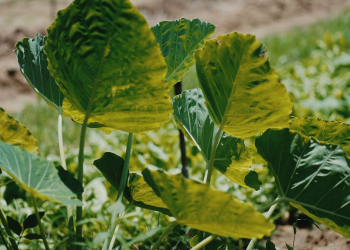
Two coffee ventures — one Fijian, one Australian — are expanding plantings and grower networks across Fiji in a sector that barely existed 15 years ago, Global Coffee Report reported on 30 September 2026. The industry trade magazine said Bula Coffee, started in 2011 by New Zealand national Luke Fryett, now buys cherries from about 2,000 villagers, while Australian specialty roaster Ona Coffee is working with more than 30 communities just over a year after announcing in 2025 that it would enter Fiji.
One caveat frames everything that follows. Every figure in this story originates with the two companies and reaches the public through that single trade report. No independent audit, government series or third-party survey of Fijian coffee was available to check them against, and this article obtained none. What follows separates what the companies say from what can be tested arithmetically.
Key facts
- Bula Coffee works with about 2,000 villagers who produce between 80 and 100 tonnes of coffee cherries a year, according to Global Coffee Report.
- About 78 per cent of coffee pickers in Fiji are women, based on Bula Coffee’s own data cited by the magazine.
- Ona Coffee has already planted about 100,000 trees on one plot of land, sales manager Hany Ezzat told the magazine.
- Ona is working with more than 30 communities and holds about 20 coffee varietals, Ezzat said.
- Fiji is projected to produce about 1.5 million tonnes of sugarcane in the 2026 harvest season, the report said.
- Ona was founded by Saša Šestić, the 2015 World Barista Champion.
What it means for the Fiji economy
Set the two crops side by side and the revival looks less like a pivot than a pilot. Bula’s 80 to 100 tonnes of cherry against a projected 1.5 million tonnes of cane is roughly 15,000 tonnes of cane for every tonne of cherry, on our calculation from the magazine’s own figures. Applying the industry’s standard conversion of about five to six kilograms of cherry per kilogram of green coffee, that harvest becomes somewhere between 13 and 20 tonnes of exportable green bean a year — on the order of a single shipping container.
Volume is not the whole story. Specialty green coffee fetches multiples of sugarcane’s per-tonne value, and the cane sector concentrates returns through mills while Bula’s model pays cherry money directly to households. But the comparison matters for expectations, and for anyone reading this as a Fiji current affairs story about diversification: on the figures reported, coffee is a supplementary village income stream, not a replacement for sugar. Neither company claimed otherwise.
What makes it notable anyway is where the cash lands. Fryett told the magazine the aim was for villagers to earn their own income and have buy-in, and that profits are reinvested rather than depending on donations — “a hand up instead of a handout”, in his words. Spread across 2,000 pickers, even a modest cherry price is the kind of rural cash income Fiji has few substitutes for outside cane, fishing and tourism. For more Fiji economy coverage, see our business section.
Fifteen years to convince growers — and a century of bad memory
Fryett set out to revive Fijian coffee more than 15 years ago, the report says, and found communities that had already written the crop off. When his team first approached villages, he told the magazine, people said they were not interested and that he was wasting their time, because their grandparents had tried coffee and it had failed.
That memory has physical traces. The magazine describes Fiji’s coffee history as murky: Britain colonised the islands in 1874 and brought thousands of labourers from Asia, mostly North India, to work the land, and rusted, overgrown remnants of plantations and factories thought to date from the 19th and 20th centuries are scattered across Viti Levu, Vanua Levu and Taveuni, where large-scale plantations appeared during the colonial era. In one of the first places his team found coffee, Fryett said, a woman in her late 80s recalled taking coffee downriver on a raft to barter in the early 1900s, and people spoke of boats sailing upriver to buy it. Notably, the collapse is documented through ruins and oral testimony rather than production statistics — no harvest series, export tonnage or closure date for the old industry appears in the report.
Planting trees was only the beginning, Fryett said; a durable industry needed training, processing, quality systems and markets built around the grower. For more than a decade, according to the magazine, Bula Coffee did that work largely alone. That sequencing is the part other commodity revivals in the Pacific most often skip, and it is the clearest reason the second attempt has outlasted the first.
Women do most of the picking
Bula Coffee’s 78 per cent figure reflects local practice, Fryett said: women culturally handle the harvesting of berries, fruit and nuts, so coffee fell into that role. He credited a handful of women who agreed to start picking in 2011 and said the industry would not exist without the risk they took and continue to take. Many are now setting up small businesses of their own, he told the magazine — the flow-on effect the project had hoped for.
That lands at a pointed moment, because the alternative channel for rural women’s income in the region is contracting as donor funding for women’s programmes tightens. A buyer paying cash for cherry is not grant-dependent, which is precisely Fryett’s argument for the model. The 78 per cent, though, is Bula’s own count of its own pickers, not an independent labour survey, and should be read that way.
Ona’s Liberica bet
Ona Coffee wants Fiji to become a destination for specialty and competition-level coffee, the magazine reported. Ezzat said the roaster is building what he called an oasis of coffee varieties collected from leading farms worldwide, feeding “a bigger project which is still under wraps at the moment”.
Liberica is central to the pitch, and the agronomy explains why. Fiji’s terrain and low altitude mean it should not really grow coffee at all, the magazine says, and arabica — the species that dominates specialty buying — generally wants height and cool nights. Liberica, the third commercial species, is grown at scale in lowland Southeast Asia instead, making it the likeliest fit for Fijian conditions. Global Coffee Report says it grows wild in Fiji, and Ezzat said Ona’s first harvest was “amazing”.
Ezzat said Ona believes Fijian Liberica belongs in everyday specialty blends and aspires to competition level, noting that Hugh Kelly was among the first to put the species on the world stage and that almost all competitors have used it at the World Brewers Cup in recent years. Alongside it sit about 20 varietals sent by farmers Šestić respects, including Pacamara from Jorge Raul Rivera in El Salvador, a Cidra from Pepe Jijón at Finca Solidad, and material from the Lamastus family and Finca Deborah, owned by Jamison Savage.
Ezzat also said farmers have approached the project since its foundation, locals arriving with cherries — the inverse of the reluctance Fryett met 15 years ago, and the clearest signal in the report that village sentiment has shifted.
What we could not verify
The grower count, cherry tonnage, 78 per cent women-pickers share, 100,000 trees and the number of partner communities are all self-reported by Bula Coffee and Ona Coffee and published by one trade magazine. We found no public Fijian government or international agricultural dataset that breaks out coffee as a separate Fijian commodity at this scale — consistent with the small volumes described, but it also means the numbers cannot currently be cross-checked. No grower register, purchase record or planting data appears in the source report. The only independent-looking anchor is the 1.5 million tonne cane projection, which belongs to the sugar sector, not coffee.
What to watch next
Three developments would turn company claims into a verifiable industry: a first disclosed export volume or FOB value for Fijian green coffee; the content of the “bigger project” Ezzat says is under wraps, which would reveal whether Ona is building a farm, a mill, an origin-tourism asset or all three; and evidence on price — what a Fijian picker is actually paid per kilogram of cherry against a day’s cane cutting. Until then, the defensible statement about Fijian coffee is the modest one: two companies, one of them 15 years in, have persuaded villages that walked away from the crop a century ago to pick it again.
Frequently Asked Questions
How big is Fiji’s coffee crop compared with sugarcane?
Very small. Global Coffee Report puts Bula Coffee’s grower network at 80 to 100 tonnes of coffee cherries a year and Fiji’s 2026 cane harvest at about 1.5 million tonnes — roughly 15,000 tonnes of cane for every tonne of cherry, on our calculation from those two figures. At the standard industry conversion of five to six kilograms of cherry per kilogram of green coffee, that cherry volume is somewhere between about 13 and 20 tonnes of exportable green bean, or around one shipping container a year. Tonnage overstates the gap, because specialty green coffee sells for far more per tonne than cane, but on volume alone coffee remains a rounding error in the Fiji economy.
What is Liberica, and why is Ona Coffee betting on it?
Liberica is a third commercial coffee species alongside arabica and robusta, grown at scale mainly in lowland Southeast Asia rather than the classic high-altitude arabica belt — which is part of why it suits Fiji’s low-lying terrain. Global Coffee Report says the species grows wild in Fiji. Ona Coffee sales manager Hany Ezzat told the magazine the roaster believes Fijian Liberica belongs in everyday specialty blends and can reach competition level, that Hugh Kelly was among the first to put Liberica on the world stage, and that almost all competitors have used the varietal at the World Brewers Cup in recent years.
Which varieties has Ona brought into Fiji, and what is the larger plan?
Ezzat told Global Coffee Report the project holds about 20 varietals, sent by farmers Ona founder Saša Šestić respects: Pacamara from Jorge Raul Rivera in El Salvador, a Cidra from Pepe Jijón at Finca Solidad, and material from the Lamastus family and from Finca Deborah, owned by Jamison Savage. The 100,000 trees planted so far feed into what Ezzat called “a bigger project which is still under wraps at the moment”. The magazine also reported Ona has recently expanded commercially into the Middle East.
Can these figures be independently verified?
Not at present. Every headline number here — about 2,000 villagers, 80 to 100 tonnes of cherry, 78 per cent women pickers, 100,000 trees, more than 30 partner communities — originates with Bula Coffee or Ona Coffee and reaches the public through a single trade publication, Global Coffee Report, in its 30 September 2026 report. Coffee is not large enough to appear as a separate line in Fiji’s headline agricultural export reporting, which is dominated by sugar, so no official series exists to test the volumes against, and no grower register, purchase record or planting data appears in the source report.