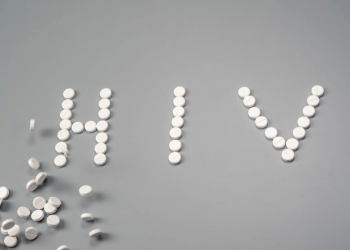
The head of Fiji’s national HIV outbreak cluster response task force, Jason Mitchell, has told an international audience that what is happening in Fiji should be treated as a warning for other countries, telling delegates at the AIDS2026 conference in Rio de Janeiro in July that it is important to talk about the Fijian outbreak because, in his words, “it can happen anywhere in the world.”
Mitchell’s remarks were reported in an analysis published on 13 August 2026 by The Conversation, written by Sharon McLennan of Te Herenga Waka — Victoria University of Wellington, and republished the same day by Yahoo News Australia. The piece was timed to the Pacific HIV Symposium in Fiji and argues the country’s neighbours must do more.
Key facts
- Adult HIV prevalence in Fiji is now 1.6%, or about one in 60 adults, The Conversation reports.
- Just one-third of people living with HIV in Fiji know their status, and only a quarter are receiving treatment.
- Experts quoted in the article project yearly infections will triple by 2030.
- The equivalent of one child every week is born with HIV in Fiji, while one dies of AIDS-related complications every month.
- Australia recently announced a contribution of more than US$10 million to support Fiji’s HIV response.
- The article describes the outbreak as the fastest growing in the world.
Why it matters
The Conversation frames the outbreak as a public health emergency whose causes and consequences extend well beyond Fiji’s islands, and says the known case numbers are likely the tip of the iceberg given how few people know their status. Fiji declared its HIV outbreak an emergency in January 2025.
Because the region is connected by travel, work, study and family ties, the article says the situation demands attention, support and informed engagement from Fiji’s neighbours rather than alarm. It notes many New Zealanders and Australians have close connections to Fiji through tourism, seasonal employment, education and family networks, and that Fiji is a major regional hub connecting communities across the wider Pacific.
What health authorities say is driving it
Health authorities and experts cited by The Conversation point to a combination of factors: rising methamphetamine use and needle sharing, disruptions to funding for prevention and treatment services, pressure on the health system, and a culture of silence and stigma surrounding HIV. The drug dimension sits alongside wider concern about drug trafficking through the Pacific.
Stigma is described as one of the greatest challenges facing the response. The article says research shows it discourages people from testing, delays treatment and undermines public health efforts, and that concerns about confidentiality, shame and discrimination can make it difficult for people to seek support, particularly in smaller and more closely connected communities.
What Fiji has done since declaring the outbreak
Since the January 2025 declaration, Fiji has established the dedicated HIV response task force that Mitchell heads and has expanded testing and treatment, according to The Conversation. The article reports an increasing emphasis on prevention tools, with PrEP — pre-exposure prophylaxis, a medicine taken to prevent HIV that the article describes as highly effective — now available.
Fiji is also in the queue for the long-acting prevention drug Lenacapavir as the Global Fund, the international partnership against AIDS, tuberculosis and malaria, expands access. Beyond Australia’s contribution, the article says UNAIDS, the World Health Organization and many other international agencies are providing financial, technical and on-the-ground support.
Despite that progress, The Conversation says the outbreak still represents a significant health security risk to the region, and that Fiji cannot manage it alone. The country is still calling for support, funding and technical and capacity-building assistance.
The Pacific HIV Symposium
The article says delegates at the Pacific HIV Symposium in Fiji would be confronting one of the region’s most urgent health challenges, and expresses hope the meeting can build on what has already been offered to help health workers, community leaders and people living with HIV. The published text refers to the symposium in one passage as taking place the following week and in another as taking place that week, so the exact dates are not clear from the sources. Neither version names the organisers or the venue.
Background
The paediatric toll described in the article — a child born with HIV each week and an AIDS-related death each month — matches earlier reporting on very young patients in Fiji, including the youngest HIV-TB case recorded in the country.
The Conversation also argues that public health challenges in the Pacific — whether caused by HIV, other infectious diseases or climate change — are increasingly regional in nature, and that HIV is a global health issue rather than a uniquely Fijian one. McLennan discloses that she receives funding from Te Apārangi the Royal Society of New Zealand.
Frequently Asked Questions
Should people travelling to Fiji be alarmed about the outbreak?
No, according to the analysis published by The Conversation, which says HIV is not transmitted through casual contact or everyday social interactions. The piece argues understanding the situation in Fiji is not about avoiding travel but about informed and responsible behaviour, including condom use, access to prevention tools and regular testing for anyone who may have been exposed to risk — precautions it says apply equally in Auckland or Sydney.
Is an HIV diagnosis still considered a death sentence?
The Conversation says HIV is no longer the death sentence it was once perceived to be. With early diagnosis and effective treatment it is managed as a chronic health condition, and the article states people living with HIV can expect to live long, healthy lives.
What is Lenacapavir and will Fiji get it?
Lenacapavir is a long-acting HIV prevention drug, according to The Conversation. The article says Fiji is in the queue for it as the Global Fund — a worldwide partnership to defeat AIDS, tuberculosis and malaria — expands access.
Does the outbreak affect Pacific communities living in New Zealand and Australia?
The Conversation says the same barriers of confidentiality, shame and discrimination can affect Fijian health professionals diagnosed with HIV as well as Pacific peoples living in New Zealand and Australia. It argues culturally safe services that reflect Pacific values are important for supporting confidentiality and trust, and that domestic preparedness measures in both countries must avoid creating further stigma.